 Ocean BreezeJul 10, 20254 min read
If you buy through our links, we may earn an affiliate commission. This supports our mission to get more people active and outside.Learn about Outside Online's affiliate link policy
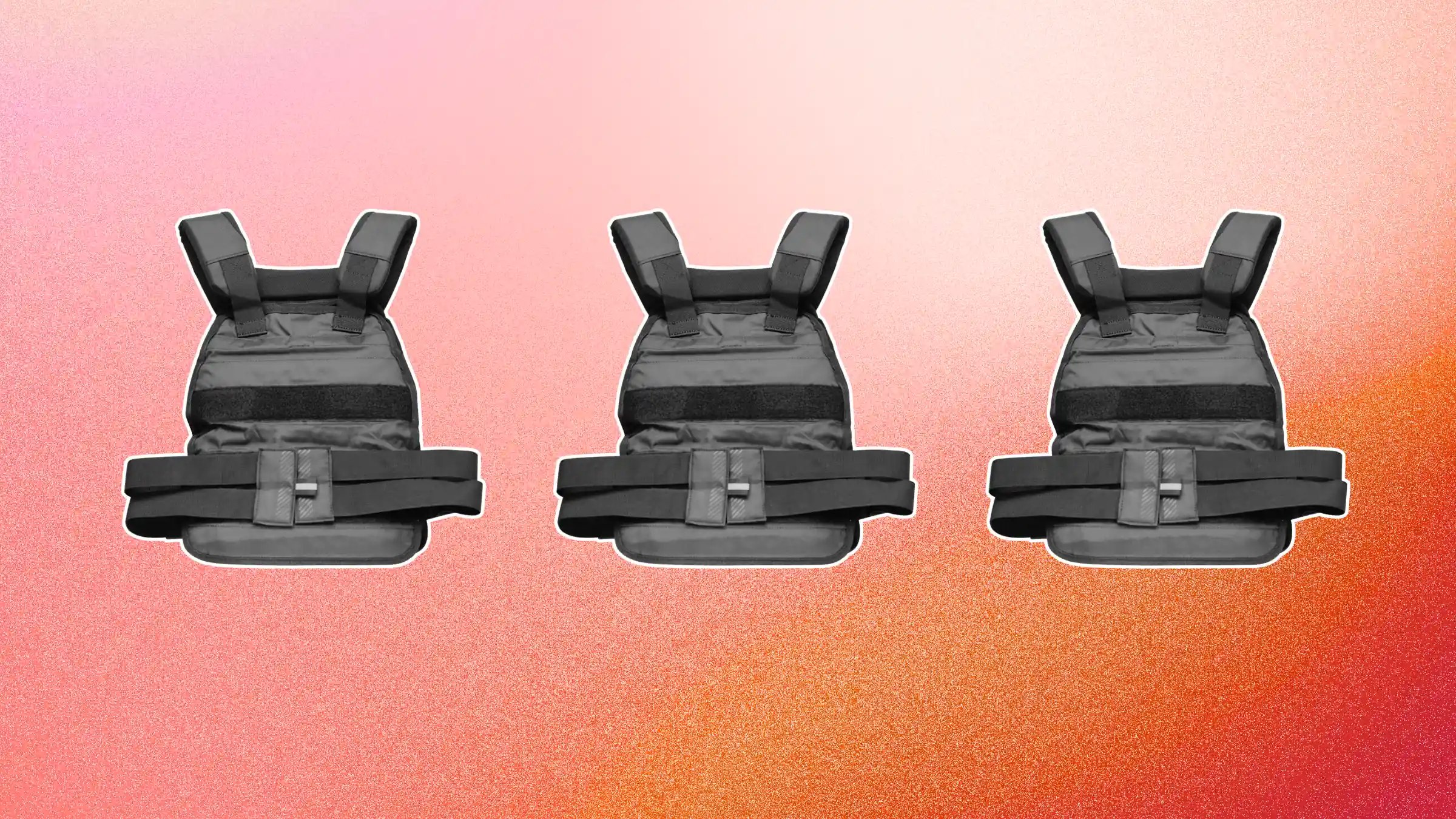
(Photo: Weighted vest: AnthonyRosenberg/Getty; Collage: Ayana Underwood/Canva)
If you’ve been in a park or on a trail any time in the last few months, you’re likely to have spotted them: the weighted vest walkers. Like rucking, exercising with a weighted vest is a simple way to add a challenge to even the most basic of activities. Unlike rucking, where you’re carrying the weight on your back in a backpack (aka a rucksack), weighted vests tend to distribute the load evenly across your chest and back or across your shoulders and back.
Adding resistance to your movements can bring an additional degree of difficulty that may help build cardiovascular and muscle strength.
In addition to walking, hiking, or running with a weighted vest, you can also use it for strength exercises, either by wearing the vest or holding it in your hands, making it easy to incorporate into your home workouts. The latter provides an additional challenge by introducing instability to your movements, forcing your core as well as your smaller stabilizer muscles to engage.
Look for a vest that is five to ten percent of your body weight. The weight (usually sand) inside should be evenly distributed across the vest. In some vests, the weight is distributed across two panels: one on the chest and the other on the back. Others might include a pair of shoulder loops that cross over your back; when worn, the weight should be centered on your shoulders and chest.
If you suffer from neck, back, or shoulder pain, a weighted vest may exacerbate those concerns. Speak to your doctor before buying or wearing a weighted vest.
To avoid injury, start slow. Wear your vest for a loop around your block or on a walk that’s no longer than five minutes. You may feel that the vest is pulling your shoulders down, and your legs may feel tired after an otherwise easy walk, but you shouldn’t feel pain anywhere. If you do, try adjusting the height of your vest buckle and ensure the straps sit evenly across both shoulders. If you still feel pain, remove your vest and ask your doctor if working out with a weighted vest is right for you.
If that first walk feels fine, you can begin to slowly increase your time or distance. If you feel pain or discomfort, scale back. The same applies to the strength movements listed below: add reps or sets as the lifts start to feel easier, but stop before your form begins to falter.
Because your vest will likely be fairly light, you can do more reps than you could if you were using dumbbells or a barbell. Try doing three sets of eight to 12 reps with one minute of rest between sets to start.
As you progress, you can add a fourth set. If that still feels easy, slow down the lowering portion (the eccentric part of a movement) of each lift or add a pause for one to three seconds at the bottom.
• Put on your weighted vest. • Stand tall with your shoulders pulled back and feet hip-width apart. • Take a big step back with your right leg. • Bend both legs to 90-degree angles with your rear knee hovering just above the floor. (Most of your weight should be in your front leg, with your back leg largely there for support.) • Pause at the bottom, then press through your front leg to bring your back leg up, and bring both feet back together. • Repeat all reps on one side before switching sides.
• Stand with your feet between hip- and shoulder-width apart • Hinge at your hips and bend your knees simultaneously, lowering your hips until they are parallel or just below parallel to the ground. • Press through your feet to stand back up.
• To do this move, remove your vest and hold it in both hands. • Stand with your feet slightly wider than shoulder-width apart. Your vest should be laid flat between your feet. • Hinge at your hips, bend your knees, and reach your hands down to grab the vest from the floor. • In one quick movement, stand up explosively with the weight in your hands and bring it all the way overhead with your arms extended. • Return the bag to the floor by reversing the movements, but keep your hands on the vest to begin the next rep immediately. These should be fast, explosive movements.
• Stand with your feet shoulder-width apart. • Hold your vest with both hands by the tops of the shoulder straps. • Standing straight with your torso upright, draw your elbows up towards your ears, bringing the vest with you. • Pause at the top, then slowly lower back to the starting position.
• Stand with your feet hip-width apart. • Keeping your elbows tight to your sides, bend at the elbows to curl the vest towards your shoulders.
Want moreOutsidehealth stories?Sign up for the Bodywork newsletter.